

Introduction
When we think about caring for our pets, we often focus on their diet, exercise, and vaccinations. However, one crucial aspect that is frequently overlooked is dental care. Just like humans, pets require regular oral hygiene to maintain overall health. Ignoring dental care can lead to serious health issues that go far beyond bad breath.
Understanding Pet Dental Health
Pets, especially dogs and cats, are prone to dental problems such as plaque buildup, tartar formation, gum disease, and tooth decay. Plaque begins forming on your pet’s teeth shortly after eating. If not removed, it hardens into tartar, which can only be cleaned by a veterinarian. Over time, this leads to periodontal disease, one of the most common health issues in pets.
Why Dental Care Matters
Prevents Pain and Discomfort
Dental diseases can cause significant pain for pets. Since animals cannot express discomfort the way humans do, issues often go unnoticed until they become severe. Proper dental care helps prevent infections, inflamed gums, and tooth loss.
Improves Overall Health
Oral health is directly connected to overall health. Bacteria from the mouth can enter the bloodstream and affect vital organs such as the heart, liver, and kidneys. Maintaining good dental hygiene reduces the risk of these systemic infections.
Enhances Quality of Life
A pet with healthy teeth can eat comfortably, play happily, and live a more active life. Dental problems can make chewing painful, leading to reduced appetite and nutritional deficiencies.
Prevents Bad Breath
Persistent bad breath is often a sign of underlying dental issues. Regular dental care keeps your pet’s mouth fresh and healthy, making those cuddles more enjoyable.
Saves Money in the Long Run
Preventive dental care is far less expensive than treating advanced dental diseases. Regular brushing and check-ups can help avoid costly procedures like tooth extractions or surgeries.
Signs of Dental Problems in Pets
Common Warning Signs
Pet owners should watch out for warning signs such as bad breath, excessive drooling, red or bleeding gums, difficulty eating, loose teeth, or pawing at the mouth. Early detection can make treatment easier and more effective.
Tips for Maintaining Your Pet’s Dental Health
Regular Brushing
Brush your pet’s teeth using pet-safe toothpaste at least 2–3 times a week.
Provide Dental Chews and Toys
These help reduce plaque and keep teeth clean while also entertaining your pet.
Routine Veterinary Check-ups
Annual dental exams allow vets to catch and treat issues early.
Professional Cleaning
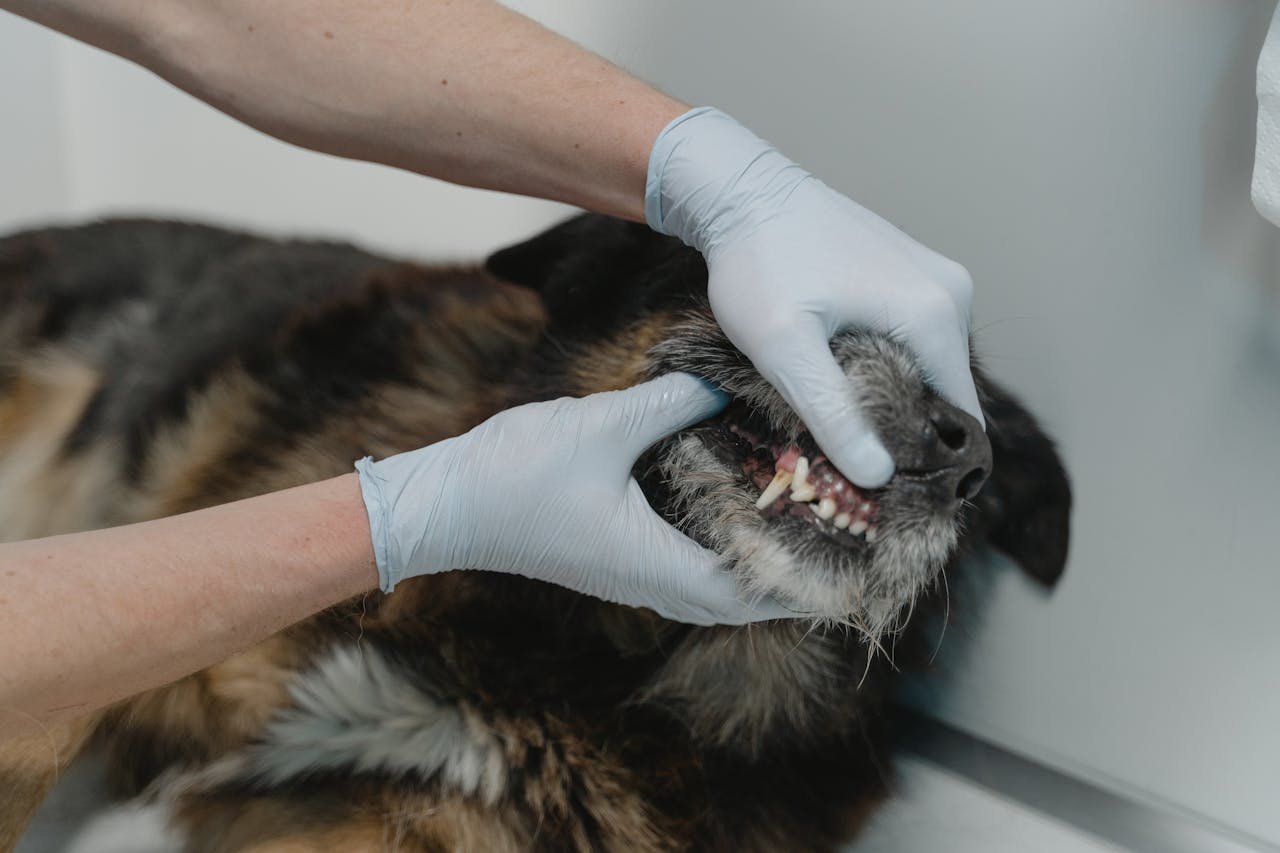
Periodic professional cleaning is essential to remove tartar buildup that cannot be addressed at home.
Balanced Diet
Feeding high-quality pet food supports overall oral health.
Conclusion
Dental care is not just about keeping your pet’s teeth clean—it’s a vital part of their overall well-being. By prioritizing oral hygiene, you can prevent serious health issues, improve your pet’s quality of life, and ensure they stay happy and healthy for years to come. A little effort in dental care today can make a big difference in your pet’s future.