

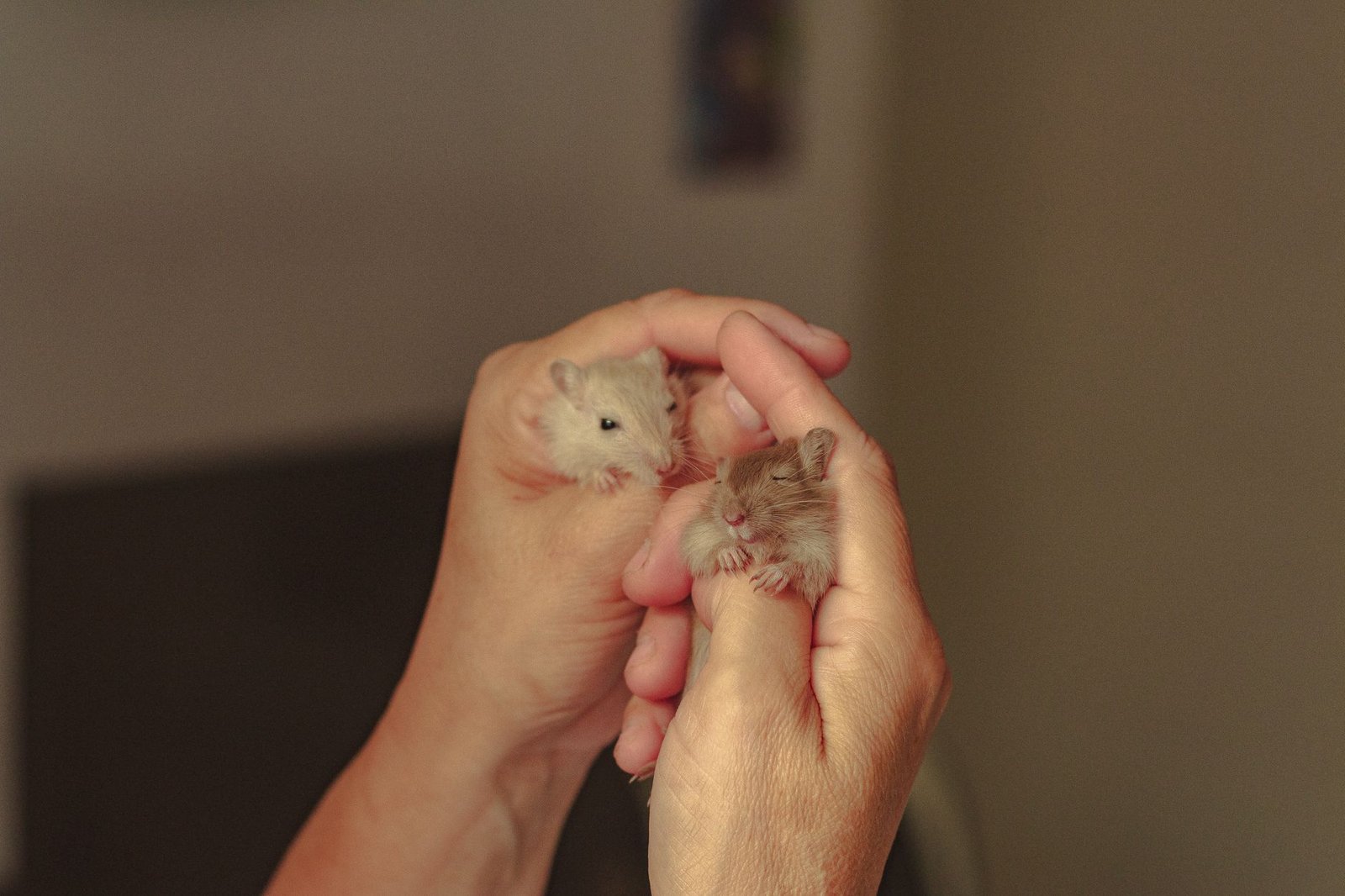
Hamsters can slip into torpor, a deep, cold, slowed-down state, when the room they live in gets too cold. A hamster in torpor can look lifeless: limp, cool and barely breathing. Warm it slowly in your hands or a warm room, never with direct heat, and phone us if it does not rouse within a couple of hours.
Why this happens in autumn
In the wild, hamsters cope with cold and short days by shutting down: their body temperature drops, breathing and heartbeat slow right down, and they save energy until conditions improve. Pet hamsters still carry that ability, and a cold snap indoors can trigger it.
Autumn in Abbotsford is when it tends to happen. Nights cool quickly from September, plenty of households hold off on turning the heat on for a few more weeks, and the cage often sits in the coolest spot in the house: a basement, a spare room, a bedroom with the window cracked open, or a shelf by an exterior door. Shorter days add to the signal.
Torpor is not a healthy sleep for a pet hamster. A hamster that stays in it too long can become dangerously cold and dehydrated, and older or thin hamsters are the most at risk. The goal is to prevent it, and to know what to do if you find one.
Torpor, deep sleep or something worse?
Finding a hamster cold and floppy is frightening, and many owners assume the worst. Before you do anything, watch closely for several minutes.
- Deep sleep: warm to the touch, curled up, rouses within a few seconds of gentle handling
- Torpor: cool to the touch, very slow breathing that you may only see as a faint movement every so often, body still soft and flexible, perhaps a slight twitch of the whiskers when touched
- Illness: awake but hunched, wobbly or weak, wet around the tail, not eating or drinking, sitting in a corner with eyes half closed
A hamster whose body has gone stiff and cold has usually died. If you are not sure, assume it is torpor and start warming. Nothing is lost by trying.
Warming a hamster safely
- Pick it up gently and hold it in your cupped hands or against your body, wrapped loosely in a soft cloth. Your own warmth is the right speed.
- Move to a warm room, ideally somewhere around 20 to 22 degrees Celsius, away from drafts.
- Be patient. Coming out of torpor can take anywhere from a few minutes to a couple of hours. You should see breathing speed up, then movement, then a slightly dazed but alert hamster.
- Offer water and food once it is awake and moving, with a favourite bit of its usual diet.
What not to do: no hair dryers, hot water bottles against the skin, heating pads on high, or putting the hamster near a heater. Warming too fast can shock the body, and a hamster that cannot move away from a hot surface can be burned before it is awake enough to react.
When to phone us
Phone our emergency care team if the hamster has not roused after a couple of hours of gentle warming, wakes up but stays weak or wobbly, will not eat or drink, has diarrhea or a wet tail, or goes back into torpor even in a warm room. A hamster that keeps slipping back may have an underlying problem, and our medical services team can look for it.
If this happens when we are closed, phone an emergency hospital before you set off, because not every emergency clinic sees hamsters and other small mammals. Ask first, then go.
Keeping the room right
- Aim for a steady room temperature of roughly 20 to 22 degrees, day and night. The nightly drop when the heat turns down is often what does it.
- Move the cage away from windows, exterior doors and drafts, and off the floor of an unheated basement.
- Give deep bedding. Paper-based bedding 15 centimetres deep or more lets a hamster burrow and build a warm nest. Avoid fluffy cotton or synthetic nesting material, which can tangle around limbs or cause trouble if swallowed.
- Keep a steady light routine. A room that goes dark at four in the afternoon and stays cold is exactly the combination that says winter.
- Check food and water daily. Hoarding is normal, but a hamster that is short of either is more likely to shut down.
- Handle and check your hamster every day through the cool months, so you notice a change quickly.
Routine checks through our pet care services are a good time to talk about housing, weight and diet for a hamster going into winter.
Hamsters are not the only small pets who feel the change in season. Our guide to rabbits and guinea pigs in autumn covers the cold-weather needs of the other small mammals many Abbotsford families keep.
Frequently asked questions
Is torpor the same as hibernation?
They are related. Torpor is a shorter, lighter shutdown, and full hibernation is a longer version. Neither is something a pet hamster should be allowed to do, because a warm, well-fed hamster in a stable room has no need to, and the risks are real.
How cold does the room need to get?
Torpor becomes more likely once a room drops into the mid-teens Celsius and below, especially with short days, though individual hamsters vary. Keeping the room in the low twenties removes most of the risk.
Do dwarf hamsters do this too?
Yes. Dwarf hamsters can drop into short bouts of torpor, and their small size means they cool faster. The same warming and prevention steps apply.
Should I put a heat lamp or heating pad in the cage?
We would rather you warm the room than the cage. Heat sources in a small cage can overheat a hamster that cannot get away from them. If you are thinking about supplemental heat, phone us first.
My hamster woke up and seems fine. Does it still need to be seen?
If it is eating, drinking and behaving normally within a few hours, a phone call is usually enough, and fixing the room is the priority. If it happened more than once, or your hamster is older or thin, book a check.
Do rabbits and guinea pigs go into torpor?
No. They do not shut down this way, and a rabbit or guinea pig that is cold, limp and not eating is an emergency. Phone us right away, or if we are closed, call an emergency hospital that sees rabbits and guinea pigs before you set off.
Speak to the team at Gladys Pet Hospital
If your hamster is cold and will not rouse, start warming it gently and phone us, or call ahead to an emergency hospital that sees small mammals if we are closed.
Published by the team at Gladys Pet Hospital.
This article is for general educational purposes only and is not a substitute for an in-person veterinary examination or advice about your individual pet. If you have an urgent concern about your pet, contact Gladys Pet Hospital or your nearest emergency veterinary hospital right away.
Gladys Pet Hospital
2630 Gladys Ave, Abbotsford, BC V2S 3X7
Phone: (604) 850-2000
Email: [email protected]
Hours: Monday to Friday 8:00 AM to 8:00 PM; Saturday and Sunday 9:00 AM to 5:00 PM