

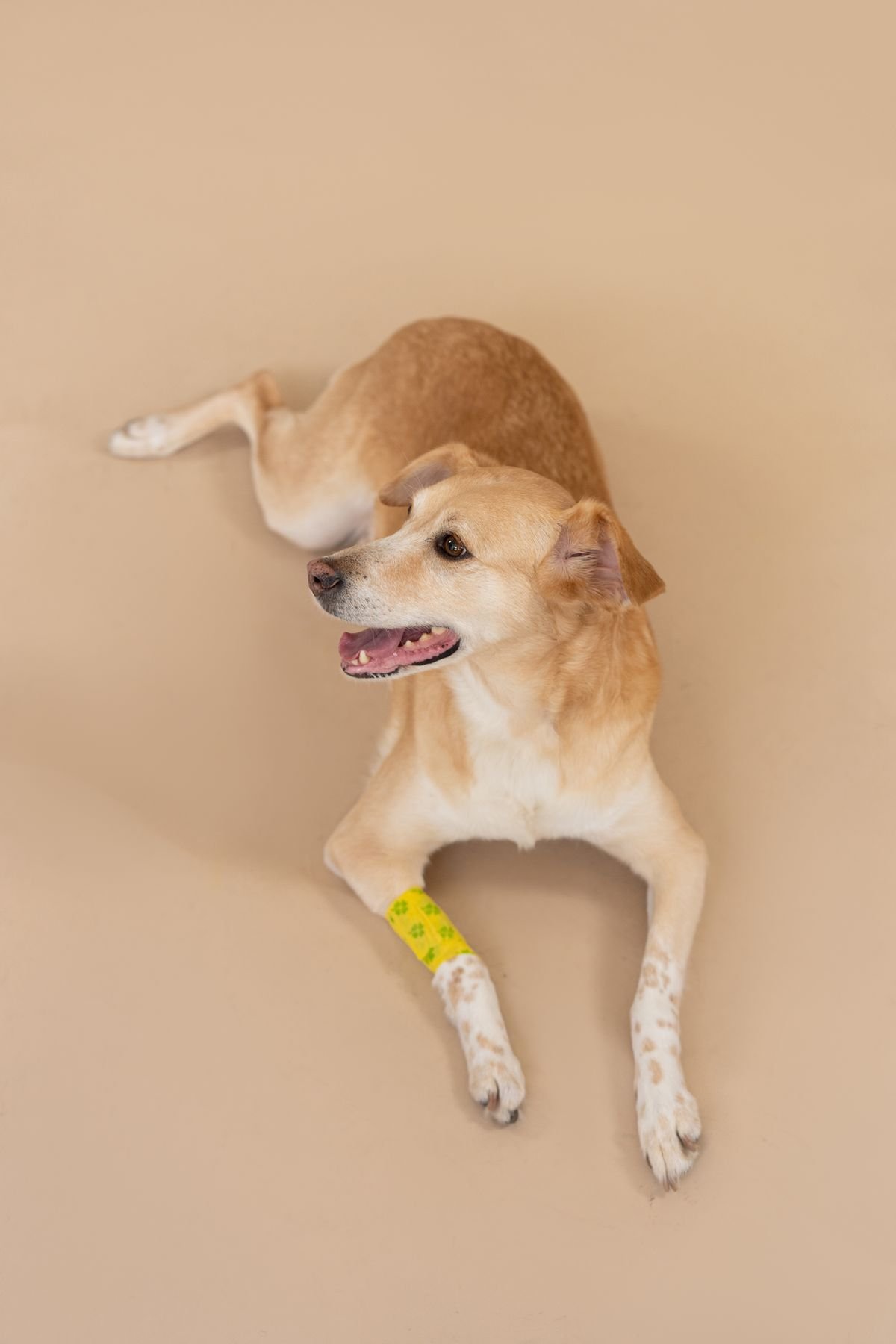
Knowing basic pet first aid helps you stay calm and act quickly in an emergency, and it buys precious time on the way to veterinary care. Keep a simple kit, learn how to control bleeding, and never give your pet anything from your own medicine cabinet. First aid is a bridge to a veterinarian, not a replacement. Gladys Pet Hospital and Urgent Care in Abbotsford is here to help.
Why every pet owner should know basic first aid
Emergencies happen without warning, and the first few minutes can matter a great deal. Knowing what to do, and just as importantly what not to do, helps you keep your pet stable and avoid making things worse while you get to a veterinarian. First aid does not replace professional care, but it can ease pain, slow bleeding, and give your pet the best possible start to treatment.
Building a pet first aid kit
A simple kit kept at home and in the car makes all the difference. Useful items include:
- Gauze, non-stick pads, and a roll of self-adhesive bandage
- Adhesive tape and blunt-tipped scissors
- Tweezers, a clean towel, and disposable gloves
- A digital thermometer and water-based lubricant
- A muzzle or a soft strip of cloth, since a hurting pet may bite
- Your veterinarian’s number and the nearest emergency clinic’s details
- A current photo of your pet and a copy of medical records
Common emergencies and first steps
For bleeding, apply gentle, steady pressure with a clean cloth and keep it in place on the way to the clinic. For choking, look for an object you can safely remove without pushing it deeper, but do not blindly reach into the throat. For a suspected heatstroke on a hot Abbotsford day, move your pet to shade, offer small sips of cool water, and head in quickly, since heatstroke is life-threatening. For suspected poisoning, bring the packaging or a photo of what was eaten. For a seizure, keep your pet away from stairs and furniture, do not put anything in the mouth, and time it. In every case, call ahead so the team is ready.
What not to do
Some well-meant actions cause harm. Never give human painkillers such as ibuprofen or acetaminophen, which are toxic to pets, and do not try to make your pet vomit unless a veterinarian directs you to, since with some substances it makes things worse. Avoid offering food or water to a pet who is struggling to breathe or barely responsive, and do not remove a large object impaling your pet, as that can increase bleeding. When in doubt, focus on getting safely to care.
When it is always an emergency
Some situations need a veterinarian right away. Trouble breathing, collapse, repeated vomiting, a swollen and hard belly, seizures, suspected poisoning, heavy bleeding, or an inability to urinate are all emergencies. Our emergency care team is here for these moments, and our medical services and pet diagnostics teams can quickly find out what is wrong once your pet arrives. When you are unsure, it is always safer to call.
First aid for small pets too
Rabbits, guinea pigs, and other small pets are masters at hiding illness, and a small problem can become serious fast. A rabbit who stops eating or producing droppings, for example, needs prompt attention rather than a wait-and-see approach. Keep small pets warm and quiet, avoid any human remedies, and contact a clinic experienced with them. The same calm, get-to-care approach applies.
How to safely move an injured pet
Getting a hurt pet to the clinic safely is part of good first aid. Even the gentlest pet may bite or scratch when in pain, so move slowly, speak softly, and consider a soft muzzle for a dog if it does not interfere with breathing. For a small pet or cat, a towel can be used to gently wrap and lift, providing both comfort and control.
For a pet who may have a spinal or leg injury, support the body as evenly as you can, using a firm surface like a board or a rigid box lined with a blanket as a makeshift stretcher for larger dogs. Keep the trip calm and quiet, have someone call ahead so the team is ready, and avoid giving food or water in case sedation or surgery is needed. Steady, careful handling protects both your pet and you.
Frequently asked questions
Can pet first aid replace a visit to the vet?
No. First aid is meant to stabilize your pet and buy time. Even after successful first aid, your pet should be examined by a veterinarian, since serious problems are not always visible.
Is it safe to give my pet human painkiller in an emergency?
No. Common human painkillers are toxic to dogs and cats and can cause serious harm. Never give your pet any product unless your veterinarian specifically directs you to.
Should I make my pet vomit if they ate something bad?
Not on your own. With some substances, vomiting causes more damage. Call your veterinarian or a poison line first and follow their instructions, and bring the packaging if you can.
What should I do if my pet is bleeding heavily?
Apply firm, steady pressure with a clean cloth and keep it in place while you head to the clinic. Call ahead so the team is ready to help the moment you arrive.
How do I keep my pet calm during an emergency?
Speak softly, move slowly, and handle your pet gently, remembering that pain can make even a loving pet bite. A towel or soft muzzle can help keep everyone safe on the way in.