

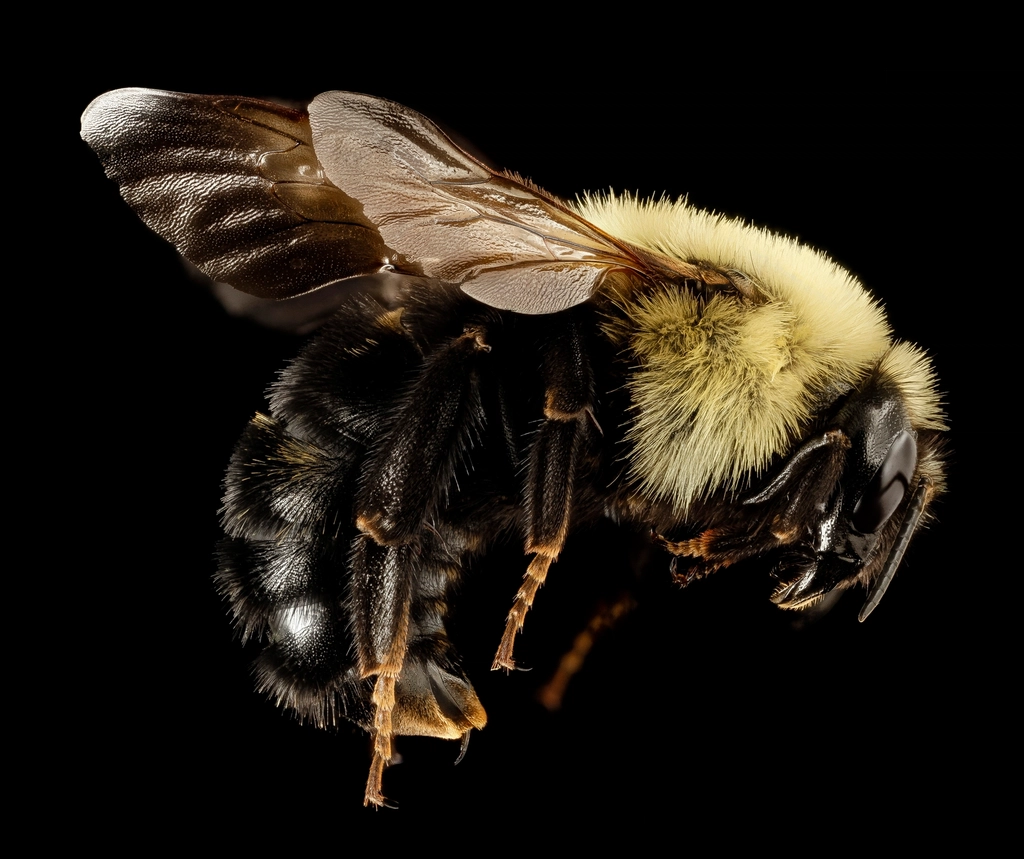
Summer in Abbotsford brings blooming gardens and buzzing insects, and curious pets often meet the wrong end of a bee or wasp. Most stings cause only brief pain and mild swelling, but some pets react severely or get stung inside the mouth or throat, which can be dangerous. Knowing the difference between a minor sting and an emergency helps you respond quickly and calmly.
Why Pets Get Stung More in Summer
Dogs love to chase and snap at flying insects, and cats bat at anything that moves, which is a recipe for stings around the face, mouth, and paws. Here on the Gladys Avenue side of Abbotsford, warm weather draws bees and wasps to flower beds, patios, fallen fruit, and garbage bins, all places pets like to explore. Small companions such as rabbits, guinea pigs, and hamsters can be stung too if insects get into their outdoor pens or hutches. Because pets investigate with their nose and mouth, stings in those sensitive areas are common and deserve extra attention.
What a Normal Sting Looks Like
A single sting usually causes a moment of yelping or pawing, followed by localized swelling, redness, and tenderness. Your pet might lick the spot, limp if a paw is involved, or rub at their face. In most cases the discomfort eases within a few hours. If a stinger is visible, you can gently scrape it away sideways with a fingernail or a firm card rather than pinching it, which can release more venom. A cool, damp cloth held against the area can ease swelling while you keep an eye on your pet.
Warning Signs of a Serious Reaction
A small number of pets have an allergic reaction that can escalate quickly. Contact your veterinary team without delay if you notice:
- Swelling of the face, muzzle, eyelids, or throat
- Hives or widespread bumps across the skin
- Difficulty breathing, wheezing, or noisy breaths
- Vomiting, diarrhea, drooling, or sudden weakness
- Pale gums, collapse, or a dazed appearance
These signs can appear within minutes and call for immediate emergency care. Stings inside the mouth or throat are also urgent, because swelling there can block the airway. When in doubt, it is always safer to call than to wait.
Which Pets Need Extra Caution
Any pet can have a bad reaction, even one that shrugged off a sting last year, since sensitivity can change over time. Very small pets are affected more by the same dose of venom, so a sting that would barely bother a large dog can be significant for a kitten, a small breed dog, a rabbit, or a guinea pig. Pets with existing heart or breathing conditions also have less reserve if a reaction sets in. If your companion has reacted strongly before, mention it during your next medical services visit so the team can help you prepare a plan for the season.
What to Do After a Sting
For a mild, single sting away from the mouth, these general steps can help while you watch your pet closely:
- Move your pet calmly indoors, away from the swarm or nest area
- Remove a visible stinger by scraping sideways, not squeezing
- Apply a cool, damp compress to reduce swelling and soothe the area
- Discourage licking or scratching, and keep the environment quiet
- Watch for the next several hours for any spreading swelling or the serious signs above
Do not give any human antihistamine or painkiller unless your veterinary team has told you the correct product and dose, since some human medicines are unsafe for pets. If swelling grows, if there are multiple stings, or if you have any concern, call for guidance. In-house pet diagnostics can help the team assess a pet that has had a stronger reaction and confirm they are recovering well.
Preventing Stings Around Your Home
You can lower the odds of a summer sting with a few practical steps. Clear fallen fruit from under trees, keep outdoor bins tightly closed, and check patios and decks for nests before letting pets out to play. Supervise dogs that like to snap at insects, and move small pet enclosures away from flowering plants and garbage areas. If you keep rabbits or guinea pigs outdoors, fine mesh and a shaded, tidy space help keep insects out. Simple habits like these let pets enjoy the Abbotsford summer with far fewer painful surprises.
Frequently Asked Questions
How do I know if my pet is having an allergic reaction rather than a normal sting?
A normal sting stays local, with mild swelling and tenderness that eases over a few hours. Facial swelling, hives, vomiting, weakness, or any breathing trouble suggest an allergic reaction and need immediate veterinary attention.
My dog was stung on the nose and it is swelling. Should I worry?
Watch closely. Facial and muzzle swelling can progress and may affect breathing. Call your veterinary team right away for guidance, especially if the swelling is growing or your dog seems distressed.
Can I give my pet an over the counter antihistamine?
Only if your veterinary team has told you a specific product and dose for your pet. Many human medicines and combination products are unsafe for animals, so always confirm first.
Are bee stings dangerous for rabbits and guinea pigs?
They can be, because small pets are more affected by the same amount of venom. Keep enclosures away from flowers and bins, and contact your veterinary team promptly if a small pet is stung.