

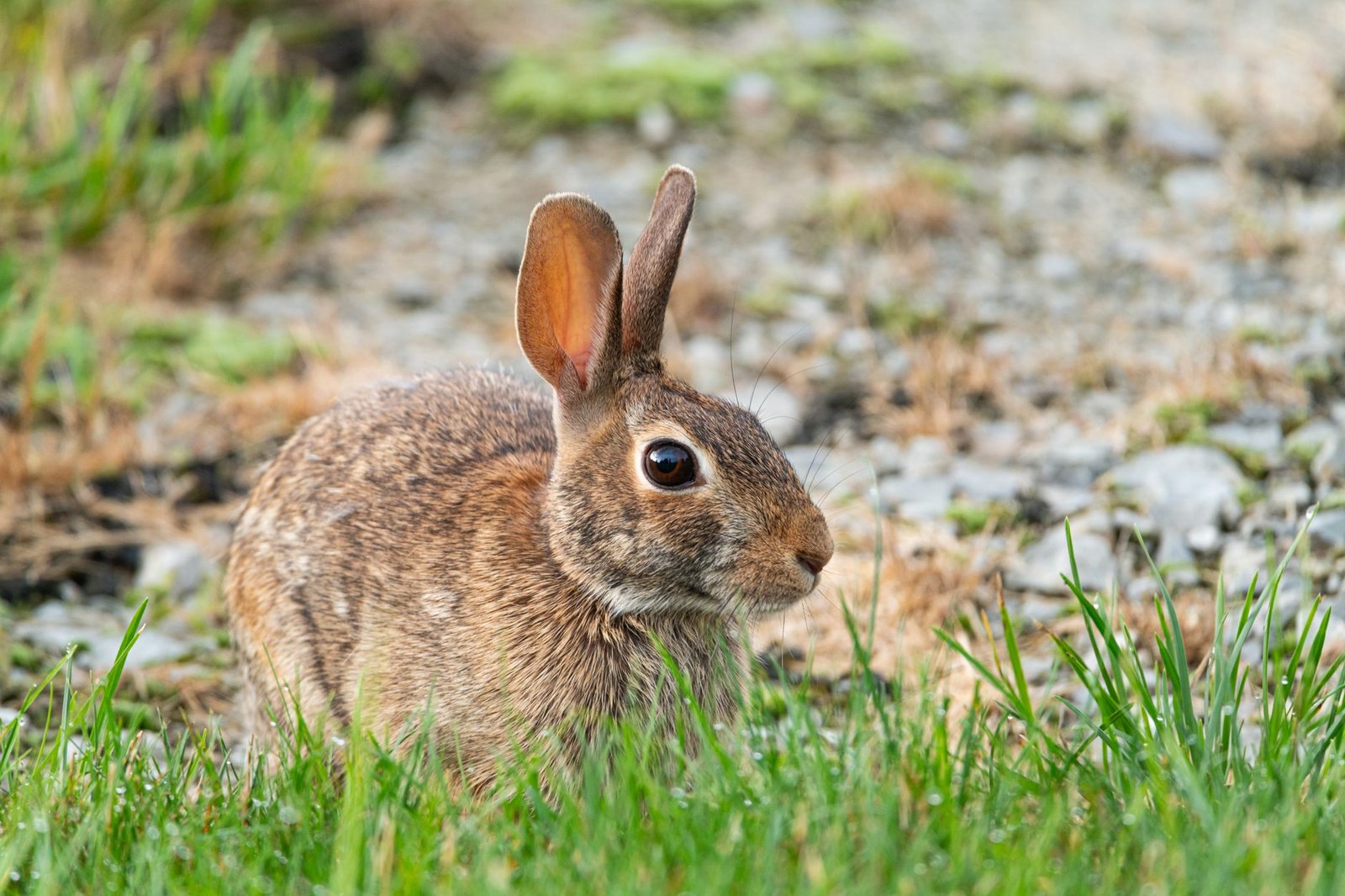
GI stasis is when a rabbit or guinea pig’s digestive system slows down or stops. It is an emergency measured in hours rather than days. If your small pet has stopped eating, is passing no droppings or only tiny misshapen ones, sits hunched, or grinds their teeth, book a same-day veterinary exam rather than waiting overnight.
Why a stopped gut is so serious in a hindgut fermenter
Rabbits and guinea pigs digest food in a way that is nothing like a dog or a cat. They are hindgut fermenters. A large fermentation chamber called the caecum sits partway along the digestive tract, packed with bacteria and protozoa that break down tough plant fibre and turn it into nutrients the animal can absorb. That system only works while material keeps moving through it.
Movement depends on coarse, long-strand fibre arriving constantly. Grass hay scratches the gut wall, stimulates the muscular contractions that push everything along, and keeps the caecal population stable. Take the fibre away, or slow the contractions for any reason, and the machinery stalls.
What follows is a loop that feeds itself. Contents sit still and dry out. Gas-producing bacteria gain ground while the helpful population declines. The gut distends with gas, which is genuinely painful. Pain slows motility further, so the animal eats even less, and the cycle tightens. Neither species can vomit, so nothing clears from the front end. A rabbit that has not eaten for a full day may also begin mobilizing body fat faster than the liver can process it, which is a second problem stacked on top of the first.
This is why the timeline matters so much. With a dog, a skipped breakfast is usually worth watching for a few hours. With a rabbit or a guinea pig, a skipped breakfast plus an empty litter tray is a reason to phone us the same morning.
GI stasis is usually a symptom, not the whole story
The stalled gut is often the visible end of a problem that started somewhere else. Finding the trigger is a large part of what a veterinary exam is for. Common triggers include:
- Pain elsewhere in the body. A bladder issue, an abscess, sore hocks, arthritis in an older rabbit, or an insect sting can all shut the gut down before you notice the original problem.
- Dental spurs and overgrown teeth. Rabbit and guinea pig teeth grow continuously. When the grinding surfaces wear unevenly, sharp points form on the cheek teeth and cut into the tongue or cheek. Eating hurts, so hay intake drops first, and hay is exactly what the gut needs.
- A diet low in long-strand fibre. Pellet-heavy feeding, muesli style mixes where the animal picks out the sweet pieces, and generous fruit or treats all crowd out hay.
- Dehydration. A tipped bowl, a blocked sipper bottle, or water that has warmed and gone stale will reduce drinking, and dry gut contents move poorly.
- Heat. Rabbits and guinea pigs cope badly with warmth. An enclosure that catches afternoon sun, or a hutch in a garage or shed, can push an animal off its food quickly.
- Stress. A house move, a new dog, building noise, loud gatherings, the loss of a bonded companion, or a change in who feeds them can all be enough on their own.
- Reduced movement and ingested fur. A cramped pen, excess weight, or a heavy seasonal moult that leaves the animal swallowing loose coat while grooming all add to the load.
Late summer moving into early fall stacks several of these together in the Fraser Valley. Warm, still afternoons carry on well into September here, and an outdoor hutch that was shaded in June may be sitting in direct sun by the time the sun angle drops. Rabbits and guinea pigs are also changing coat, so more fur is being swallowed during grooming. Meanwhile households get busier again after the summer break, garden greens run out, and the hay bag from the spring may be dusty or stale at the bottom. Any one of those is survivable. Together, they are why we see small mammals off their food at this time of year.
The signs, and where to look first
The litter tray is your best early-warning system, and checking it takes about five seconds a day. Signs that warrant an exam, not a watchful pause, include:
- Refusing food, including favourite greens or a treat they never turn down
- No droppings at all, or droppings that are suddenly tiny, hard, misshapen or strung together with fur
- Sitting hunched, pressed low, with feet tucked and a reluctance to move
- Teeth grinding, which sounds like a soft crunching and signals pain, not contentment
- Lethargy, hiding, or unusual stillness in an animal that normally investigates everything
- A bloated, tight or gurgling belly, or a belly that is very quiet
- Drooling, a wet chin, or dropping food out of the mouth part way through a chew
- Water intake that has fallen off along with the food
Prey species hide illness as a survival reflex, and small mammals are very good at it. By the time a rabbit looks obviously unwell to you, the process has usually been building for a while. Trust the droppings over the demeanour.
Why waiting it out is the riskiest choice
Owners often give it a day because the animal seems bright enough, or because they hope a favourite vegetable will tempt them back. The difficulty is that the underlying trigger, whether that is a dental spur, pain, or dehydration, does not resolve on its own, and every hour of stalled gut makes the next hour harder to reverse.
There is a second reason not to wait. Some causes of a stopped gut need urgent handling of a completely different kind. Getting eyes on your pet early lets a veterinarian sort one situation from the other while there are still comfortable options. This is precisely the sort of case our same-day urgent care handles during clinic hours, and a call ahead lets the team be ready when you walk in.
Please do not syringe feed, offer a home remedy, or give anything left over from another animal’s treatment while you decide. Assisted feeding has a real place in recovery, but only once a veterinarian has examined your pet and directed how and what to give. The same goes for anything sold as a gut remedy for small pets.
What happens at the clinic
The first step is a careful physical exam: weight against previous records, temperature, hydration, gum colour, and gentle palpation of the abdomen to feel whether the gut is doughy, gassy or firm. Small mammals lose body heat quickly when they are unwell, so warmth and quiet handling are part of the care from the moment they arrive.
A close look in the mouth follows. Rabbit and guinea pig cheek teeth sit far back, and the sharp spurs that cause the most trouble are frequently invisible from the front, so a proper assessment uses the right instruments and sometimes sedation. Correcting those points is a routine part of our dental care work for small mammals, and it often addresses the reason the animal stopped eating in the first place.
From there, imaging and laboratory work fill in the picture. Radiographs show gas patterns and how full the stomach and caecum are, and bloodwork gives a read on hydration, organ function and blood sugar. Having on-site diagnostics matters here, because in a species this small the answers are needed the same visit, not in three days.
Supportive care is tailored to what is found and usually centres on rehydration, pain relief, and encouraging the gut to move again, with assisted feeding under direction where appropriate. Ongoing cases, recurrent episodes and small mammals with other health concerns are handled through our medical services team.
Guinea pigs have one extra requirement
Guinea pigs cannot make their own vitamin C. Unlike rabbits, they have to take it in through the diet every single day, and a shortfall builds quietly over weeks. The result is a sore, stiff, reluctant animal with poor healing, tender joints, rough coat and, very often, dental problems. A guinea pig whose mouth hurts stops eating hay, and the gut follows.
Vitamin C in pellets degrades once the bag is open and exposed to air and light, so an older bag may contain far less than the label suggests. Fresh food sources and appropriate supplementation both have a role, and the right approach depends on the individual animal, its age and its current diet. Our team can build that into a feeding plan through nutrition counselling rather than leaving you to guess from conflicting advice online.
Prevention: the three things that matter most
Unlimited grass hay. Hay should make up the great majority of what a rabbit or guinea pig eats, and it should always be available. Timothy, orchard grass and other grass hays keep the teeth wearing evenly and the gut moving. Store it somewhere dry, check it for dust and mould, and refresh it often so it stays appealing. Pellets are a supplement, not the main meal, and fruit is an occasional extra.
Regular dental and wellness checks. Because dental disease is such a frequent trigger, having the mouth assessed as part of routine wellness exams catches spurs and uneven wear before they stop your pet eating. Weight tracking at the same visits will often reveal a slow decline you would not spot at home.
Lower the stress and the heat. Keep enclosures out of direct sun and away from hot rooms, offer shade, ventilation and cool surfaces on warm days, and check water twice daily. Give plenty of room to move, hiding places, and a predictable routine. Introduce any diet change gradually over a week or more rather than all at once, and keep the enclosure away from the noisiest part of the house.
When to call our Abbotsford team
Phone us if your rabbit or guinea pig has not eaten for a few hours and you cannot tempt them, if the litter tray is empty or the droppings have changed, if they are hunched, grinding their teeth or hiding, or if the belly looks bloated. Bring a photo of recent droppings if you have one, along with the food they are currently on. If you are building a general plan for small pet emergencies, our guide to pet first aid at home is a useful companion, and our guide to bee, wasp and insect stings covers a hazard that can put a small pet off food this time of year.
Frequently asked questions
How long can a rabbit go without eating before it is an emergency?
Treat 12 hours without food as urgent, and less than that if your rabbit also seems painful or has produced no droppings. Rabbits are designed to eat almost continuously, so a genuine refusal of food is a meaningful change rather than fussiness. Phone for advice as soon as you notice it instead of waiting for the next morning.
Is GI stasis the same as a blockage?
No, although they can look similar from the outside and both are urgent. Stasis is a slowdown of normal gut movement, while a blockage is a physical obstruction of the passage. Telling them apart usually needs an exam and imaging, and that distinction changes the treatment, which is why an assessment matters more than a guess at home.
Can I give my guinea pig or rabbit something at home to get the gut moving?
Please check with a veterinarian before giving anything, including assisted feeding formulas, pain relief or gut supplements. Products intended for other species can cause serious harm to small mammals, and feeding an animal with an obstruction or a painful mouth can make things worse. Once your pet has been examined, our team will tell you exactly what to give and how.
Do hamsters get GI stasis too?
Hamsters do not ferment fibre the way rabbits and guinea pigs do, so classic GI stasis is not the same concern in them, but a hamster that stops eating or has diarrhea still needs prompt attention. Any small mammal that goes quiet, stops eating or loses interest in a favourite food should be seen. We see hamsters alongside rabbits and guinea pigs at our Abbotsford clinic.
How do I know my rabbit’s teeth are the problem?
You often cannot tell from home, which is the point. The teeth that cause the most trouble sit at the back of the mouth, and a rabbit with painful spurs may look normal from the front while quietly dropping food, drooling, or eating pellets but leaving hay. Selective eating of soft food is one of the most useful clues owners can report.
Small pets are welcome on Gladys Avenue
An empty litter tray is worth a phone call, and our team would far rather hear from you early than see a rabbit or guinea pig two days later. Reach us on (604) 850-2000 and tell us what has changed, or start a request from our emergency care page. We will assess the mouth, the gut and the hydration, then work on getting your small pet eating again.
Published by the team at Gladys Pet Hospital and Urgent Care and Urgent Care.
This article is written for general education and does not replace an in-person veterinary exam, diagnosis or treatment. If you are worried about a rabbit, guinea pig or any other pet, please telephone Gladys Pet Hospital and Urgent Care and Urgent Care while we are open, or use an emergency veterinary hospital at any other time.
Gladys Pet Hospital and Urgent Care and Urgent Care
2630 Gladys Ave, Abbotsford, BC V2S 3X7
Phone: +1 (604) 850-2000
Hours: Monday to Friday: 8:00am to 8pm
Saturday and Sunday: 9am to 5pm