

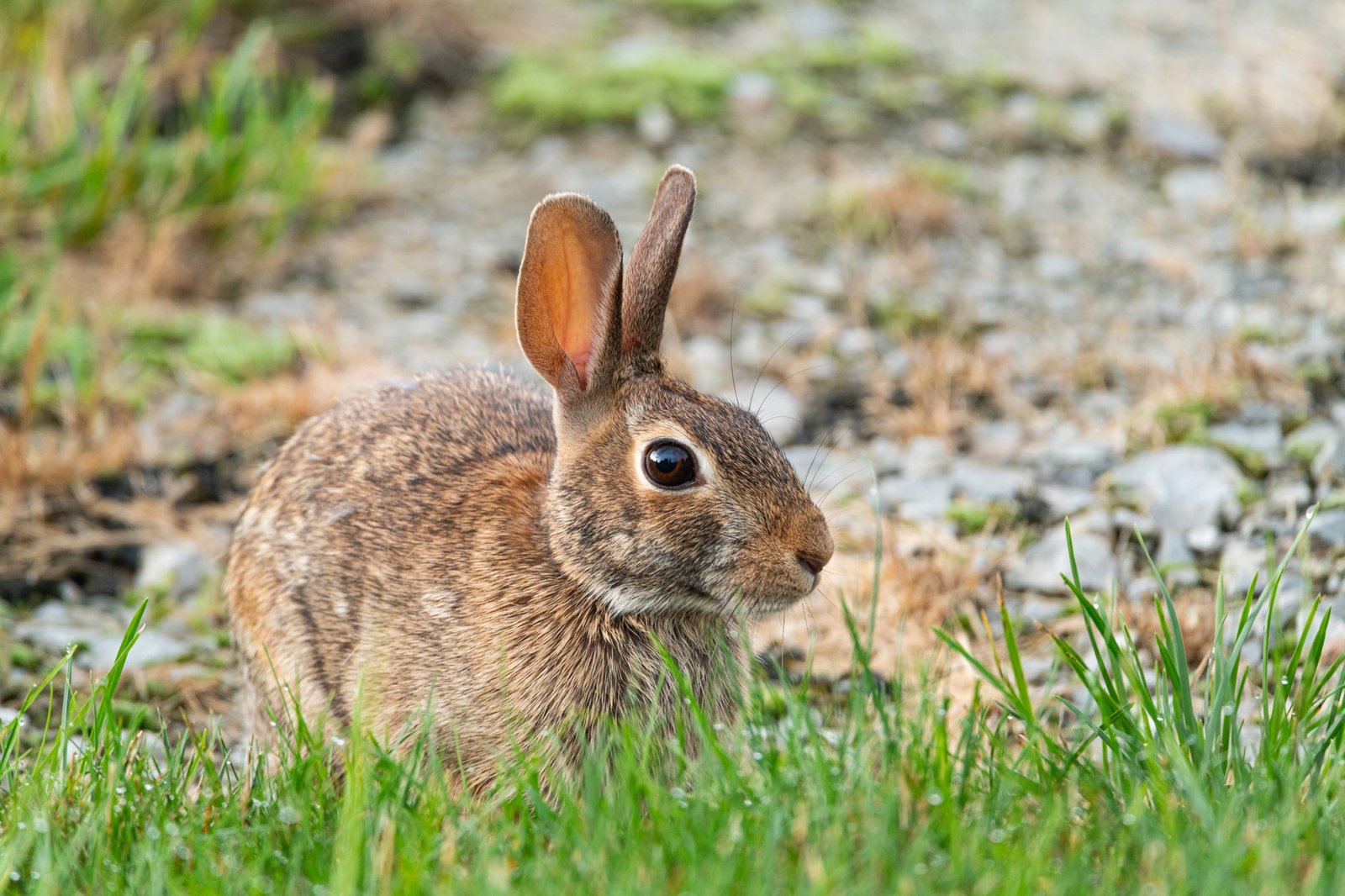
Autumn is the season small pets are most often let down. Guinea pigs cannot tolerate cold or damp and need to come indoors. Rabbits handle cold better but not wet or draughts. Both hide illness so effectively that a small change in eating or droppings is often the only warning you will get.
Why September is the month to act
Abbotsford autumns are not extreme, and that is exactly the problem. A hard frost prompts people to act. A run of fifteen wet, grey, windy days at nine degrees does not, and for a guinea pig in an outdoor hutch that is the more dangerous weather of the two.
Damp is the real enemy rather than temperature. Wet bedding, humid air and wind stripping away warmth do far more harm than a cold dry night. A hutch that was perfectly comfortable in August can be a genuinely unhealthy place by the second week of October, and nothing about it has changed except the weather around it.
The other reason to act now is that small pets need time to adjust. Moving a rabbit from an outdoor hutch into a heated house in December is a shock to an animal that has grown a winter coat. Making the change gradually in September, while the difference between inside and outside is small, is far kinder.
Guinea pigs need to come indoors
Let us be direct about this one. Guinea pigs originate from a climate that does not have a Fraser Valley winter, they do not hibernate, they do not grow a winter coat, and they cope poorly with both cold and damp.
Through the autumn and winter they should be housed indoors, in a shed or garage that is genuinely dry and draught free and does not drop below about fifteen degrees, or in the house itself. A garage used for a running vehicle is not suitable, because exhaust fumes in an enclosed space are dangerous to small animals.
Signs a guinea pig is too cold include huddling and staying hunched, reluctance to move, cold ears and feet, shivering, and eating less. A guinea pig that has gone quiet and stopped eating is an emergency, not a wait-and-see.
They are also prone to respiratory infections, which develop quickly in damp conditions and progress fast. Noisy breathing, a discharge from the nose or eyes, sneezing, or breathing with visible effort all need to be seen promptly through our emergency care.
Rabbits can stay out, if the housing is right
Rabbits tolerate cold considerably better than guinea pigs, and a healthy adult rabbit in good housing manages a Fraser Valley winter well. The conditions matter though.
- Raised off the ground so damp does not come up from below
- Fully waterproof roof, checked now rather than in November, with a clear-plastic cover that still allows ventilation
- Positioned out of the prevailing wind, with the open front turned away from it
- Deep bedding, generous straw for insulation on top of newspaper and hay, topped up frequently
- Dry, always. Wet bedding must be removed the day it gets wet, not at the weekend
- Ventilated but not draughty, which are different things
- Room to move. A rabbit that cannot exercise cannot keep itself warm, and exercise runs still matter in winter
- Water checked twice daily once frosts start, because a rabbit that cannot drink stops eating within hours
Very young, elderly, thin or unwell rabbits should come inside regardless. So should any rabbit that has been living indoors, because it has not grown the coat for it.
Rabbits are also social animals and a lone rabbit fares worse through a long winter. If yours lives alone, that is worth a conversation.
The gut is the thing to watch
This is the most important section for both species. Rabbits and guinea pigs have digestive systems that must keep moving constantly, and when they stop, the animal deteriorates quickly.
Cold, damp, stress and eating less all push in the same direction, which is why autumn brings a rise in these cases. The warning signs are the same in both species:
- Eating less, or refusing a favourite food
- Fewer droppings, smaller droppings, or none at all
- Sitting hunched, pressing the belly to the floor
- Grinding teeth, which in these species signals pain rather than contentment
- Unwillingness to move
- A bloated or tight abdomen
A rabbit or guinea pig that has not eaten for twelve hours is an emergency. Not tomorrow, not after the weekend. These animals decline far faster than a dog or a cat, and the difference between a straightforward visit and a critical one is often a matter of hours. Our guide to GI stasis in rabbits and guinea pigs covers this in full, and everything in it applies with more force in autumn.
Because they hide illness so well, counting droppings is genuinely the most useful monitoring an owner can do. Clean the tray at the same time daily and you will notice a drop long before your pet looks unwell.
Feeding through the colder months
- Unlimited good hay, always. This is the foundation for both species and it matters more, not less, in winter. Keep it dry and off the floor of the hutch.
- Guinea pigs need vitamin C every single day. They cannot make their own, and this is the most common gap in guinea pig care. Fresh leafy greens and peppers daily, and ask us about your specific pet rather than relying on a product that may have lost potency sitting on a shelf.
- Keep fresh greens coming through winter, when garden foraging is no longer an option.
- Slightly more pellets may be appropriate for an outdoor rabbit using energy to stay warm. Ask us rather than doubling it on your own.
- Never let water run out or freeze. Check bottles twice daily once the cold arrives; the spout freezes before the bottle does.
- Do not change the diet suddenly. A rapid change is itself a common trigger for gut problems.
Other autumn jobs
Check teeth and weight now. Both species have continuously growing teeth, and dental problems are a leading cause of reduced eating. Weigh your pet weekly on kitchen scales and write it down, because weight loss shows up in numbers well before it shows up to the eye.
Check the rear end daily. Soiling around the bottom attracts flies, and while the risk drops as the weather cools, mild damp autumns extend it further than owners expect. It is also an early sign of dental problems, obesity or arthritis stopping an animal grooming properly.
Check hutches for rodents, which move into outbuildings in autumn and contaminate food. Store feed in sealed containers.
Finally, book a check-up. Small pets benefit enormously from an examination before winter rather than during it, and our medical services team will assess teeth, weight, gut sounds and body condition, and go through housing with you.
Frequently asked questions
Can my guinea pigs stay outside if I add lots of extra bedding?
We would not advise it through a Fraser Valley autumn and winter. Bedding helps with cold but does very little about damp, which is the bigger problem here. A dry, draught-free shed or garage that stays above about fifteen degrees, or a spot indoors, is much safer. If moving them is genuinely impossible, come and talk to us about the specific setup.
My rabbit is eating less but is still eating. Can I wait until Monday?
Please do not. Reduced eating is the earliest sign of several serious problems in rabbits and things can deteriorate within hours. A rabbit still eating today can be critically unwell tomorrow. Phone us the day you notice it.
Do rabbits and guinea pigs need companions in winter?
Both species are social and generally do better with appropriate company, and it matters more through a long winter when there is less going on. Guinea pigs should not live with rabbits, though, as the two have different needs and rabbits can injure guinea pigs. If your pet lives alone, raise it at your next visit.
How do I know if my rabbit is warm enough out there?
Feel the ears, which should not be cold to the touch, and check that bedding is properly dry rather than merely not soaking. Watch for a rabbit sitting hunched and still for long periods, or eating less. If you are unsure, bring the housing details to us and we will go through it with you.
Is it safe to bring an outdoor rabbit indoors for the winter?
Yes, but do it gradually rather than in one move, and start now while the temperature difference is small. A rabbit moved suddenly from a cold hutch into a heated house is uncomfortable and stressed. Once indoors it should stay indoors for the season rather than going back and forth.
My guinea pig is making a rattling noise when it breathes. Is that urgent?
Yes. Respiratory infections in guinea pigs progress quickly and any noisy breathing, nasal or eye discharge, or breathing effort needs to be seen the same day. This is one of the more common autumn emergencies in small pets and it responds far better to early attention.
Speak to the team at Gladys Pet Hospital
If your rabbit or guinea pig is eating less, or you want the winter housing checked before the weather turns, call us on (604) 850-2000.
Published by the team at Gladys Pet Hospital.
This article is for general educational purposes only and is not a substitute for an in-person veterinary examination or advice about your individual pet. If you have an urgent concern about your pet, contact Gladys Pet Hospital or your nearest emergency veterinary hospital right away.
Gladys Pet Hospital
2630 Gladys Ave, Abbotsford, BC V2S 3X7
Phone: (604) 850-2000
Hours: Monday to Friday 8:00 AM to 8:00 PM; Saturday and Sunday 9:00 AM to 5:00 PM