

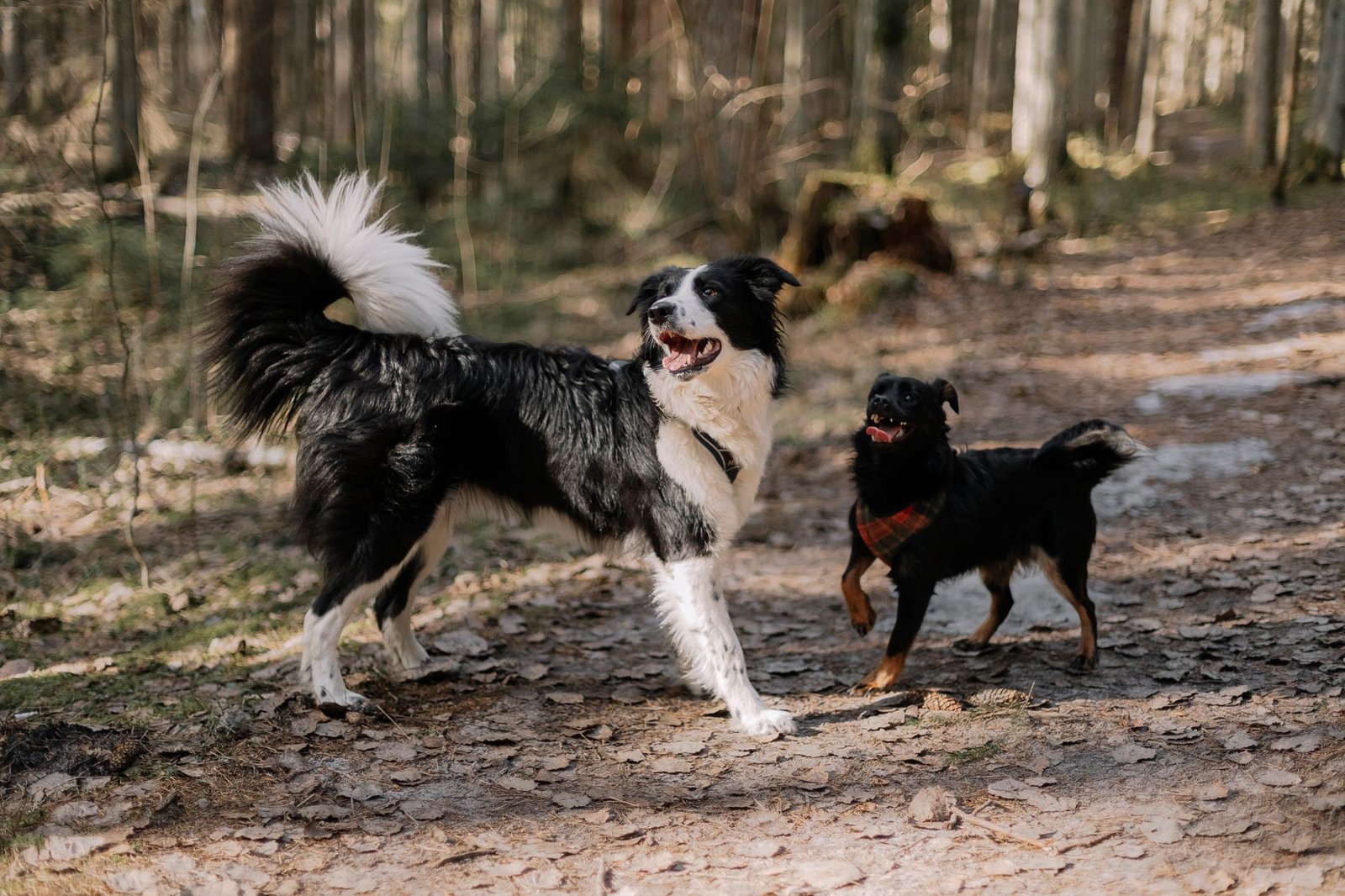
Motion sickness in pets is part physical and part learned. Puppies and kittens are more affected because the balance structures in the inner ear are still developing, and pets who have felt ill in a car often become anxious about it afterward. Drooling, lip licking, yawning and restlessness usually come before any vomiting.
Why now is the right time to work on it
Late August and September are when this becomes obvious in the Fraser Valley. Families take a last trip before school starts, and then the autumn calendar fills with drives that cannot be avoided: appointments, visits, and the run into the holidays. A pet who is miserable for twenty minutes on Highway 1 is a pet who will be miserable for the next four months.
It is also, genuinely, easiest to fix outside a deadline. Retraining a pet’s response to the car takes a few weeks of short sessions, and those weeks are available now in a way they will not be in December.
Two problems wearing one coat
The first is physical. The vestibular apparatus in the inner ear senses motion, and in young animals it is not yet mature. That mismatch between what the inner ear reports and what the eyes see produces nausea, exactly as it does in children. Many puppies and kittens grow out of the purely physical part by around a year old.
The second is learned, and it is the one that persists. A pet who has vomited in a car twice has formed an association: car means feeling awful. After that, the anxiety alone can produce drooling and nausea before the vehicle has moved. This is why a dog who was fine as a puppy can be dreadful at four, and why some pets are sick on a five minute drive but fine on a two hour one once they settle.
Working out which part dominates changes the plan entirely, and it is worth being honest with your veterinary team about the full history rather than only the vomiting.
The early signs, which come before the mess
- Excessive drooling, sometimes soaking the seat or carrier
- Lip licking, repeated swallowing and yawning
- Whining, panting or restlessness that will not settle
- Trembling, or freezing rigidly in one position
- Pacing, or trying to climb into the front or onto a lap
- Refusing to get into the car at all, or planting at the door
- Inactivity and a flat, withdrawn look, which is often mistaken for calm
- Vomiting, and occasionally diarrhoea or urination
Recognising the early signs matters because that is when a short break helps. Once vomiting starts, the association is being reinforced whatever you do next.
Rule out the physical causes first
Not every pet who is unwell in a car has motion sickness. Inner and middle ear disease can cause nausea and imbalance in their own right. Pain, particularly spinal or joint pain aggravated by a moving vehicle, makes travel genuinely unpleasant and is easy to miss in an older pet. Nausea from an underlying gastrointestinal or metabolic condition will show up in the car simply because that is where it gets noticed.
A pet who develops travel sickness suddenly as an adult, having previously been fine, deserves an examination rather than a behavioural plan. That assessment sits within our medical services, with bloodwork or imaging through our diagnostic services if the history suggests it.
Rebuilding the association, step by step
The principle is to break the chain that currently runs from car to nausea, and to rebuild it so the car predicts something good and unremarkable. Move at the speed of the pet in front of you, not the schedule in your head.
Start with the car stationary and the engine off. Feed meals near the vehicle, then in the open boot or on the seat, then with the doors closed. Only when your pet is relaxed at each stage do you move to the next. If a stage produces drooling or reluctance, go back one.
Add the engine running, still parked, for a minute or two. Then a drive to the end of the road and back. Then five minutes. The critical rule is that the destination must be pleasant far more often than not. If the only journeys your pet takes are to the clinic and the groomer, no amount of training will convince them a car is good news. Drive to a park, a walk, or simply home again.
Keep sessions short and stop while it is still going well. Ten minutes of success beats thirty minutes that end badly.
Practical measures for the journey
Withhold food for a few hours before travel, though not water, and ask your veterinary team what interval suits your individual pet, particularly for puppies, small breeds and any pet receiving ongoing treatment. Fasting for too long is its own problem.
Position matters more than people expect. Facing forward reduces the visual and vestibular mismatch, and a view of the horizon helps, so a secured crate placed where the pet can see out of the front, or a properly fitted travel harness on the back seat, is better than a footwell or a swaying lap. Never let a dog ride with their head out of the window, and never travel with a pet loose in the vehicle.
Keep the car cool and bring in fresh air, since heat and stale air make nausea markedly worse. Drive smoothly, take corners gently, and plan a break every hour or two on longer trips. Bring water and offer small amounts at stops. A familiar blanket that smells of home in the crate helps, and covering part of a cat carrier so it feels like a den reduces the visual chaos considerably.
Cats generally do best in a secure carrier that has been made into a normal, pleasant piece of furniture long before travel day, left out at home with bedding and treats inside rather than produced only when something unwelcome is about to happen.
When veterinary treatment is appropriate
Effective veterinary treatment options exist for both the nausea and the anxiety, and they are genuinely useful for pets who cannot be desensitised in time or who need to travel regularly. They are chosen after an examination, because the right choice depends on which part of the problem dominates and on your pet’s other health conditions.
Do not give human anti-nausea or sedative products from the cupboard. Several are unsafe in pets, doses do not translate, and some sedate an animal without touching the nausea at all, which leaves them unable to move but still feeling terrible. Ask first, and give any new treatment a trial run at home before a long journey rather than on the day.
Anxiety that shows up in the car is often part of a wider pattern worth addressing, and our post on pet first aid covers what to have in the vehicle for the trips you do take. If your pet is travelling further afield, our pet travel services handle the paperwork, and that paperwork needs starting well ahead of the trip. Regular check-ups through our routine care services are where an underlying cause is most often picked up.
Small pets travel differently
Rabbits, guinea pigs and other small mammals do not vomit, so nausea is not the sign to watch for. Travel stress in these species shows as stillness, hunched posture, teeth grinding, and above all not eating, and a small mammal who stops eating after a journey is an urgent matter rather than a settling-in period. Keep carriers secure, well ventilated and out of direct sun, bring familiar bedding and their usual hay, and keep journeys as short as possible. Our guide to GI stasis in rabbits and guinea pigs explains why that loss of appetite matters so much.
Frequently asked questions
Do puppies grow out of car sickness?
Many do, because the balance structures in the inner ear mature over the first year. What often does not resolve on its own is the learned anxiety built up from feeling ill repeatedly. That is why short, positive journeys during puppyhood matter so much, and why an older dog may need retraining rather than simply time.
Should I withhold food before a car journey?
A few hours without food usually helps, though water should still be available. The right interval depends on your pet’s age, size and any medical conditions, and fasting a small breed or a young puppy for too long causes its own problems. Ask your veterinary team what suits your individual pet rather than applying a general rule.
Can I give my dog human travel sickness tablets?
No, not without veterinary advice. Several human preparations are unsafe for pets, doses do not translate between species, and some sedate without relieving nausea, which leaves an animal immobile and still feeling ill. Effective veterinary treatment options exist for both nausea and anxiety, and they should be trialled at home before a long trip.
My adult dog suddenly gets car sick. Why now?
A sudden change in an adult is worth investigating. Ear disease, pain that a moving vehicle aggravates, and nausea from an underlying medical condition can all present this way, and older pets are more likely to have one of them. Book an examination before assuming it is behavioural, especially if there are other changes at home.
Where should my pet sit in the car?
Facing forward, secured, and ideally able to see out of the front, since that reduces the mismatch between what the inner ear feels and the eyes see. Use a fastened crate or a properly fitted travel harness. Never let a pet ride loose, on a lap, or with their head out of an open window.
How long does it take to retrain a car-anxious pet?
Usually several weeks of short, frequent sessions rather than days, and progress is rarely a straight line. The pace is set by the pet: if a stage produces drooling or reluctance, go back a step. The most common reason it fails is moving too quickly, followed closely by every journey ending somewhere the pet dislikes.